By
By 
A stitch in time saves nine as eloquently put, but it could save more than just nine for those well acquainted with the idea of patience and a burning desire to see off a project and its much-anticipated progress. Patience in essence isn’t something anyone associates with football management in this country and has left a rather unpleasant conundrum.
The dilemma having everything to do with the wear and tear of football managers in the SUPL at more or less the owner or C.E.O’s wish. This has been the trade for the past number of years, and therefore no surprises that the trend continues this season as well.
For perspective, 10 of the 16 clubs that made up the previous 2019/2020 season of the SUPL experienced Managerial shuffles with over 20 football coaches involved in this back and forth. Express FC showed the exit door to George Simwogerere who had earlier faced the wrath of the fans that had threated to lynch him courtesy of the undesirable results.

George Ssimogerere while still in charge of Express FC | Courtesy Photo
He was replaced by Waswa Bboosa who had earlier seen himself get the sack at Tooro United. Additionally, Edward Golola was sacked by SC Vipers while Dauglas Bamweyana left Maroons and would eventually join Wakiso Giants at the conclusion of the season. The Purple sharks had in the same season parted ways with Kefa Kisala, Livingston Mbabazi and Deo Sserwadda.
There were a plethora of dismals that were rather unfathomable most notably at Kyetume FC that included three coaches-the veteran George Best Nsimbe, David Katono and Alex Isabirye. Some like Shafik Bisaaso and Matia Lule, both belonging to Proline FC then, left for further studies.
Unsurprisingly, the same phenomenon has been seen in this yet to be concluded the season with teams like Mbarara City paving way for a return in the dugout of Livingston Mbabazi for Brian Ssenyondo, Viali Bainomugisha leaving Onduparaka and being replaced with Joseph Mutyaba, and newcomers MYDA FC sacking Abdu Samad Musafiri for Elisha Madanda.
Kyetume as expected let go of Mbabazi for Jackson Mayanja who would later resign in the aftermath of that humbling defeat to Mbabazi’s Mbarara City to render the position vacant (at the time of writing). Fred Kajoba did resign at SC Vipers but the biggest of them all uncharacteristically being Mike Mutebi receiving the sack at KCCA FC after his five-year tenure.
This takes the tally to eight teams to sack coaches this season, of course with the small matter of BUL FC suspending Arthur Kyesimira (what many regard as a sack) for losing the Busoga derby and replacing him with Dan Kabale on an interim basis, and Busoga United who demoted Abbey Kikomeko to director of youth development and replacing him with Hamza Kalanzi.
This figure (8) is currently just consistent with the average number of managers that lose their jobs over a single UPL campaign in the last five years. Although the previous year, whilst the total number of sacked coaches stood at ten.
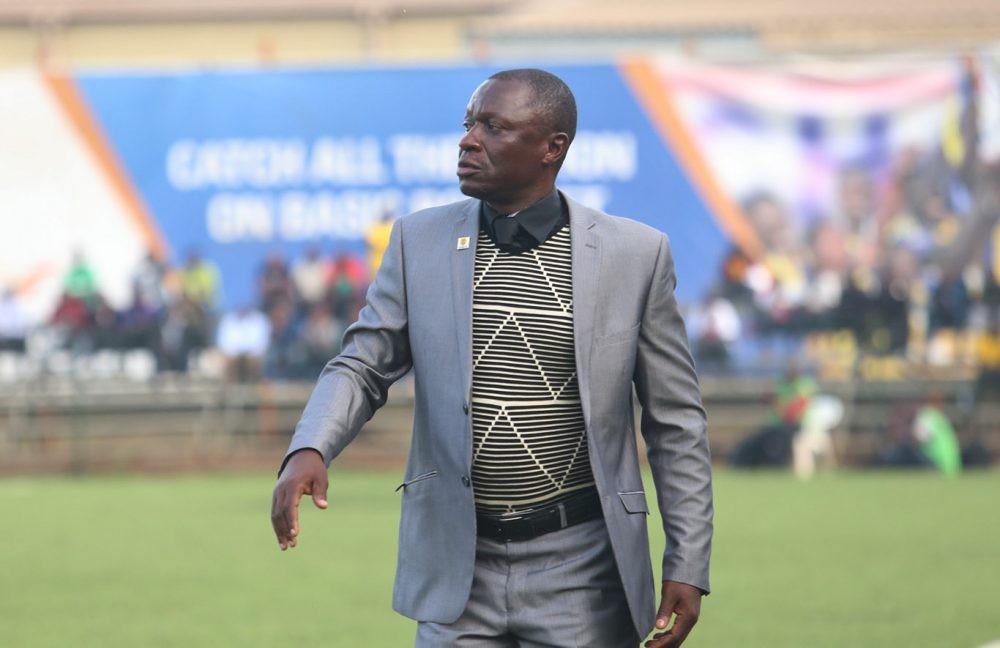
Mike Mutebi parted ways with KCCA FC mid-season | Courtesy Photo
Most crucially though, does firing a coach translate into the slightest bit of difference in terms of improving results?
To understand this, allow yourself, for a moment, to forget about the chores you imagine await a football coach on a day-to-day basis and enter a world in which that particular individual is in charge of flipping a dice-for this has been zeroed down to chance. More like a game of LUDO.
For coaches like Abdullah Mubiru who is the head coach at Police FC but also doubles as the interim head coach of the Uganda Cranes, the blame should be pointed at ambitious owners who don’t value contracts and the idea of longevity of a coach to see out his project at a given club. The insufficient backing of these owners are responsible for the bad results as echoed by him.
Mubiru further expounds that there is an inverse proportional relationship between inadequate investment in the club and the production of good results on the pitch. The short-sightedness and impatience by club owners who only look at what happens on the pitch as opposed to building structures for coaches to thrive are unsustainable as aptly put by the Police FC gaffer.
In reality, changing a coach during the season does improve results in the short term but this is a misleading statistic because not changing the coach would have had the same result. If it were sustainable, then teams like Kyetume and the likes wouldn’t be changing more than one coach in the same season.
Although this seems to run counter to the narrative spoon-fed to us by sports media outlets, who contrast a montage of Sam Simbwa skidding on his knees to an upbeat rock song with a black and white, grainy image of Mike Mutebi rubbing his face in resignation to a melancholy, acoustic melody, the central theme is that teams who stick by their managers generally see an improvement in results anyway.
The teams suffering an uncharacteristic slump in the form will bounce back and return to their normal long-term position in the league, regardless of whether they replace their manager or not.
A new coach doesn’t statistically change the number of points, score difference, or even the number of goals scored and conceded. This calls into question the commonsensical view that managerial turnover is effective or efficient.
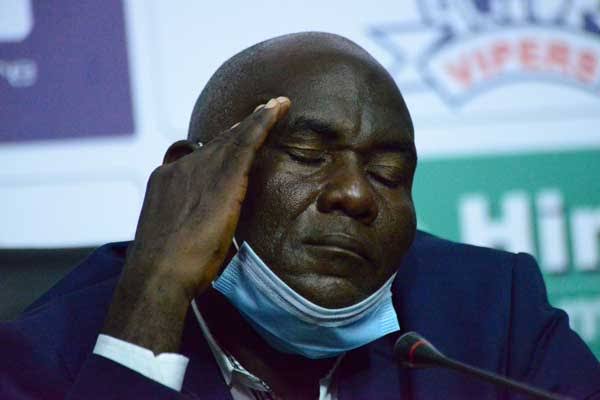
Fred kajoba choose Uganda Cranes ahead of Vipers SC | Coutsey Photo
To this present day, many people argue that the league triumph for Vipers the previous season has the name Edward Golola written all over it, or even that had KCCA retained the enigmatic Mike Mutebi, their results would have been better in the final bend of the season as opposed to what they have under Morley Byekwaso.
There is no doubt that the question of URA FC and Express FC improvements have more to do with the stability at the clubs in terms of management. Furthermore, the case of Wakiso Giants sticking with Douglas Bamweyana even when results weren’t in their favour until he turned the corner further goes to cement my arguments.
Studied approach if adopted by club owners and C.E.Os when it gets retention of coaches, but also the various obligations like contract respect and remuneration met, will ultimately help steady the sheep.
The hypothesis that coach turnover has a direct proportional relationship to improvement in results is a mere misnomer and a misguided analogy that ought to be changed in our fabric.